Best Money Apps for Saving and Investing 2026
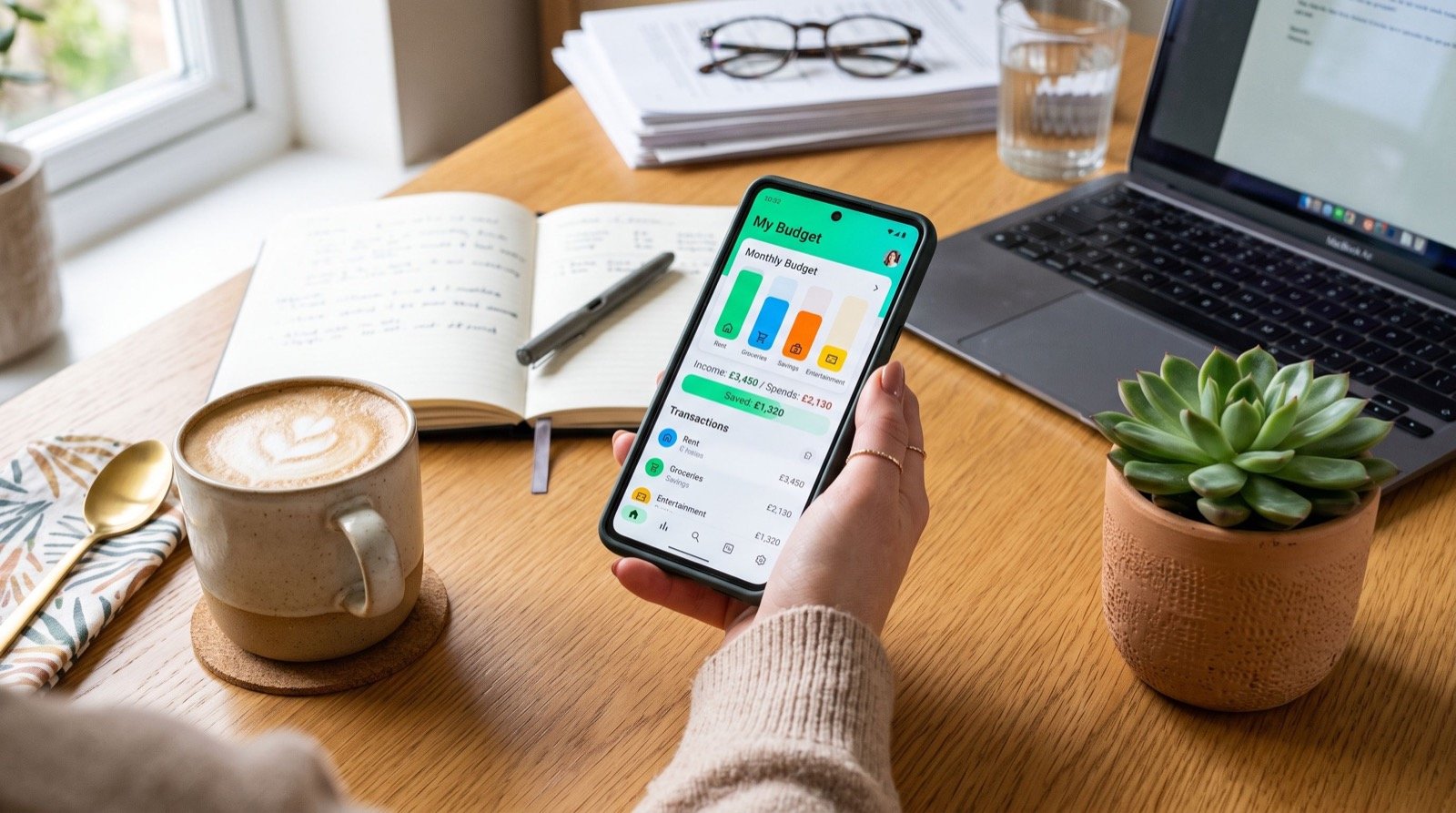
The best money apps for saving and investing turn small, regular amounts into real financial security. In 2026, you no longer need a large balance or a broker to start. This guide walks you through building an emergency fund first, then stepping into investing, all from a few trusted tools on your phone.
Saving and investing are two different jobs, and the smartest approach uses the right app for each. To make it practical, our team of dependable specialists has mapped a clear, beginner-friendly path from your first buffer to your first portfolio.
Save First, Invest Second: Why Order Matters
Before investing a single cent, build a cash cushion. An emergency fund stops you selling investments at a bad time when life throws a surprise bill your way.
The classic target is three to six months of essential expenses. That may sound daunting, but automation makes it achievable in steady steps rather than one giant leap.
Start with these saving priorities:
- Starter fund: save one month of expenses first.
- Full buffer: grow it to three to six months.
- Sinking funds: set aside cash for known future costs.
The SEC’s Investor.gov stresses that an emergency fund is the foundation of any investing plan. Skip it, and market dips can force costly, panic-driven decisions.
Which Are the Best Money Apps for Saving?
Good saving apps make progress automatic and painless. Look for high-yield accounts, round-ups, and goal tracking that keeps you motivated.
Many of the best money apps now offer competitive interest on savings alongside smart automation. The best combine both, so your buffer grows while you barely notice.
Compare the core saving features to prioritise:
| Feature | What It Does | Why It Helps |
|---|---|---|
| High-yield interest | Pays more on your balance | Money grows faster |
| Auto round-ups | Saves spare change | Effortless deposits |
| Goal buckets | Separates savings targets | Clear motivation |
| Scheduled transfers | Moves cash on payday | Pay yourself first |
Prioritise apps that keep your money in FDIC-insured accounts. Growth is great, but protection of your principal comes first.
Stepping Into Investing With the Right App
Once your buffer is solid, investing apps let you start with pocket change. Fractional shares mean you can own part of a company for a few dollars, and index funds spread your risk automatically.
Follow this simple sequence to begin investing wisely:
- Confirm your emergency fund is funded before investing.
- Pick a low-fee app offering fractional shares or index funds.
- Automate a small monthly deposit you will not miss.
- Choose broad, diversified funds over single hot stocks.
- Ignore daily noise and hold for the long term.
Consistency beats timing. Investing a fixed amount monthly, known as dollar-cost averaging, smooths out market ups and downs and removes the stress of guessing the “right” moment.
An Original Insight: The Two-Bucket Automation
Here is a system that keeps saving and investing balanced. Split every payday transfer into two automatic buckets: one to your high-yield savings until your emergency fund is full, then redirect that same amount into investing.
Because the transfer amount never changes, your budget stays stable. You simply flip the destination once your buffer is complete. This “set the amount, switch the target” trick means your wealth-building never pauses, even as your goals evolve.
How Much Should You Save Versus Invest?
Balance depends on your stage. Early on, weight everything toward your emergency fund. Once it is full, shift the bulk toward long-term investing.
A practical rule for 2026 beginners: until your buffer is complete, put 80% of surplus into savings and 20% into a small investing habit to learn the ropes. After the buffer is done, flip that ratio.
For tailored guidance as your income and goals grow, reliable personal finance tips help you adjust the mix without second-guessing every decision.
As your salary rises, resist the urge to inflate spending. Instead, direct a slice of every raise straight into your two buckets. This quiet discipline, sometimes called “saving your raises,” accelerates both your buffer and your portfolio without ever pinching your current lifestyle. Over a few years, those redirected increases can quietly double your monthly contributions.
Avoiding Common Saving and Investing Mistakes
The tools are only half the battle; your behaviour decides the outcome. A few predictable mistakes trip up beginners, and each is easy to sidestep once you know it.
The first is investing before you have any cushion. When an unexpected bill lands, you end up selling investments at a loss to cover it. Fund the buffer first, and your portfolio can stay untouched through the ups and downs.
The second is chasing hype. Single trending stocks and viral crypto tips feel exciting, but they concentrate risk. Broad, diversified index funds are far steadier for long-term wealth, especially for newcomers.
Keep these guardrails in mind:
- Watch fees: even a 1% annual fee compounds into a large drag over decades.
- Automate everything: manual investing invites procrastination and emotion.
- Stay the course: avoid checking balances daily, which fuels panic selling.
- Reinvest returns: let dividends and interest compound rather than withdrawing them.
Finally, revisit your plan once or twice a year rather than reacting to every headline. Rebalancing occasionally keeps your savings-to-investing mix aligned with your goals, while daily tinkering usually does more harm than good. Patience, automation, and low fees are the quiet trio behind almost every successful long-term investor.
Frequently Asked Questions
What are the best money apps for a complete beginner?
Begin with a high-yield savings app to build your buffer, then add a low-fee investing app with fractional shares. This two-app combo covers both safety and growth without overwhelming you.
How much money do I need to start investing in 2026?
Very little. Many investing apps let you start with $1 to $5 thanks to fractional shares. What matters more is investing consistently every month rather than the size of your first deposit.
Is my money safe in saving and investing apps?
Savings held in FDIC-insured partner banks are protected up to the coverage limit. Investments carry market risk and are not insured, so only invest money you will not need for several years.
Should I pay off debt before investing?
Clear high-interest debt first, since its cost usually outweighs investment returns. Once expensive debt is gone and your buffer is set, redirect that cash flow into steady investing.
Conclusion
The best money apps for saving and investing in 2026 reward a simple, ordered plan: build your emergency fund first, then invest steadily with low-fee tools. Use the two-bucket automation to keep momentum, favour insured savings and diversified funds, and let time do the heavy lifting. Ready to build lasting security? Choose your saving and investing apps today and start turning spare change into a stronger future.